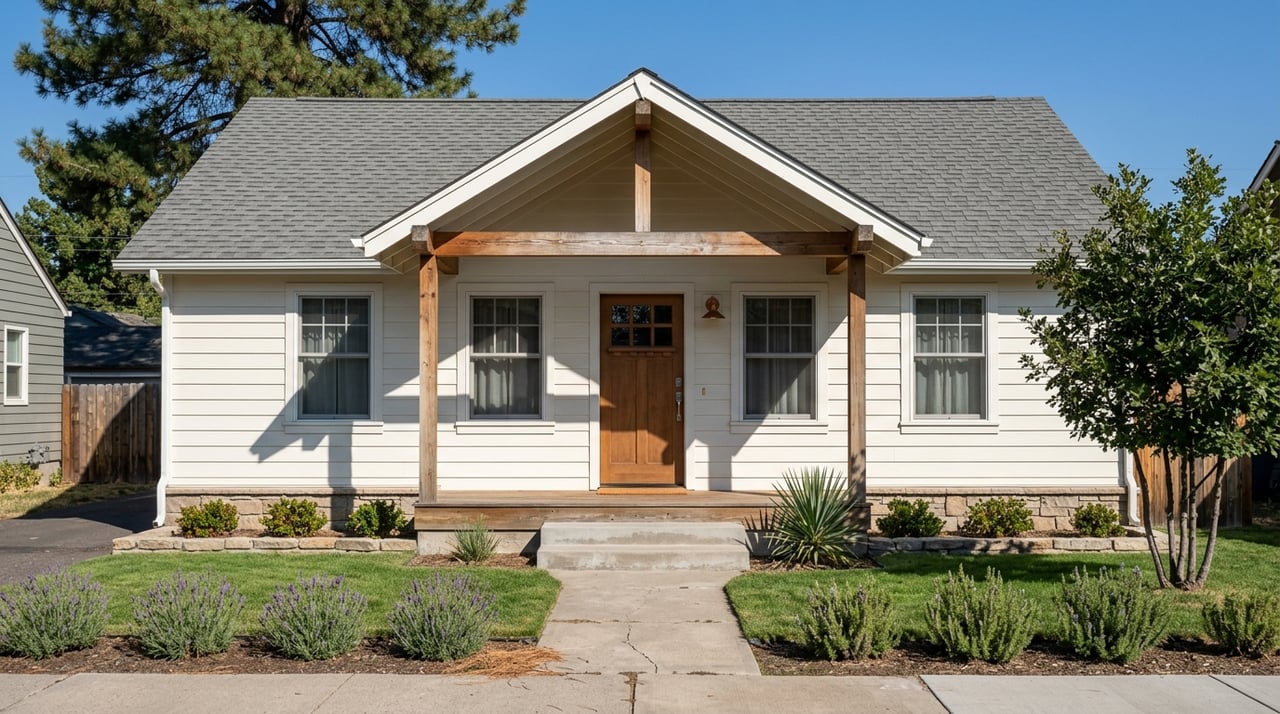
Living in Carson City Nevada Near Historic Neighborhoods
June 18, 2026
June 18, 2026
If you are drawn to neighborhoods with real character, Carson City’s historic areas offer something hard to fake: a daily backdrop of tree-lined streets, classic homes, civic landmarks, and a downtown that still feels connected to everyday routines. Whether you are thinking about moving, downsizing, or simply getting to know the city better, it helps to understand what life here actually feels like beyond the photos. In this guide, you’ll get a practical look at walkability, local events, outdoor access, and the rhythm of living near Carson City’s historic core. Let’s dive in.
Carson City’s historic identity is closely tied to the West Side Historic District, which appears on city historic district maps and is also listed by the National Park Service as a National Register historic district. The area reflects the city’s early roots, with preserved residential streets and civic landmarks that connect to Carson City’s founding in 1858 and its role as Nevada’s state capital beginning in 1864.
For you as a resident or future buyer, that history is not tucked away in a museum. It shows up in the look and feel of everyday streets, in the proximity to downtown institutions, and in the way older neighborhoods remain part of active daily life rather than separate from it.
One of the biggest draws of the historic core is how much of Carson City’s day-to-day activity clusters nearby. The downtown and west-side area places you close to the Nevada State Capitol, museums, restaurants, shops, and public gathering spaces, creating a lifestyle that can feel more connected and convenient than areas farther from the center.
That does not mean it functions like a dense urban district. Instead, it feels more like a small capital city where errands, coffee stops, public spaces, and neighborhood walks often overlap in a comfortable short-radius routine.
Downtown Carson City offers more than a visitor experience. According to local tourism sources, the Capitol is within walking distance of restaurants, museums, and shops, while downtown shopping includes antiques, unique stores, and Nevada-themed gifts.
For residents near the historic core, that means your weekend or even weekday routine can include a short trip for lunch, browsing downtown, or spending time in a civic space without needing to turn every outing into a longer drive.
Bob McFadden Plaza, across from the Capitol, helps anchor community life downtown. The plaza includes benches, a stage, and a seasonal splash pad, giving the area a built-in gathering spot that supports both events and casual use.
Spaces like this matter because they make older neighborhoods feel lived-in and connected. They create places where people can pause, meet up, and enjoy the center of town as part of normal life.
One of Carson City’s best-known neighborhood experiences is the Kit Carson Trail, a 2.5-mile self-guided route through the historic district. The trail includes nearly 50 landmarks, including Victorian-era homes, museums, and churches from the 1800s.
For someone living nearby, that says a lot about the area’s character. The historic district is not only a place to admire from a distance. It is a neighborhood where preservation, architecture, and local history remain woven into the streets you move through every day.
The mix of homes, civic sites, museums, and walking routes suggests the historic core functions as a living neighborhood, not just a sightseeing area. City and tourism materials point to walking, driving, and trail-based tours, which shows how the older parts of town continue to be part of the city’s regular movement and identity.
If you value a neighborhood with a strong sense of place, that can be a meaningful difference. You are not just choosing a house. You are choosing a setting where the city’s history remains visible and accessible.
Carson City has a community calendar that leans heavily on downtown public spaces and civic traditions. That creates a strong sense of seasonal rhythm, especially for people who live close enough to enjoy these events as part of regular life rather than occasional special trips.
Annual staples include the Farmers Market at Mills Park, Taste of Downtown, the Capitol holiday tree lighting, Nevada Day weekend, and the Murals & Music Festival. Together, they give the historic core and surrounding areas a steady flow of activity throughout the year.
The Farmers Market at Mills Park brings together farmers, ranchers, artisan bakers, and makers in a central park setting. Taste of Downtown has grown into a major summer event, featuring more than 40 restaurants, 15 local businesses, live music, and more than 2,000 guests.
These are the kinds of events that can make a neighborhood feel rooted and social without feeling overwhelming. If you enjoy having a community calendar close to home, Carson City’s historic-centered event culture is a notable part of the lifestyle.
Carson City’s role as the state capital still shapes local traditions. The Silver & Snowflake Festival of Lights includes caroling, sleigh rides on Carson Street, Santa, the Grinch, and hot chocolate on the Capitol grounds, while Nevada Day is described as the state’s largest statehood observance.
That gives everyday life in the historic area a civic dimension that many smaller cities do not have. You are living near spaces that are not only functional but also central to how the city celebrates itself.
Carson City’s arts scene stands out for a city of its size, and much of that energy connects back to the central city experience. The Brewery Arts Center, founded in 1976 and located in Nevada’s oldest commercial building, hosts visual arts, theater, music, film, dance, education, and community events.
Its free Levitt AMP summer concerts draw weekly audiences of 2,000 or more, which adds another layer to daily life near the historic core. This kind of consistent programming can make the area feel active and culturally engaged rather than quiet after business hours.
Carson City has also embraced murals in a big way. Visit Carson City reports that 23 murals were added in 2023, with more than 40 additional murals planned or added across 2024 and 2025 as part of the Murals & Music Festival effort.
For you, this means the city’s older areas are not frozen in time. They blend preserved architecture with newer public art and events, creating a downtown and historic setting that feels both established and evolving.
One of the strongest lifestyle advantages in Carson City is how quickly historic neighborhood living can connect to the outdoors. The city says it has acquired more than 7,000 acres of open space since voters approved a quarter-cent sales tax in 1996, and the local trail system reaches across multiple regions.
That matters because life in the historic core is not only about downtown convenience. It is also about being able to pair a neighborhood setting with easy access to trails, open land, and recreation.
Carson City’s trail network includes regions such as Ash Canyon, Capital Corridor, Carson River, C-Hill, Kings Canyon, Lakeview, Prison Hill, and the Virginia Range. Close-in options include the west-side V&T Trail, a three-quarter-mile paved non-motorized route behind Western Nevada College, and the Ash to Kings Trail, a seven-mile single-track connection between Ash Canyon Road and Kings Canyon Road.
Riverview Park adds a 109-acre natural area with wetlands, paved paths, and trail connections, while the Mexican Ditch Trail is one of the city’s longest and most accessible multi-use routes. Visit Carson City also notes that the city offers almost 30 miles of paved trails with water fountains and restrooms.
The city’s outdoor culture is not limited to serious hikers or cyclists. Carson City also offers free park-ranger programs year-round, including historical tours, wildlife walks, full-moon hikes, and river bike tours.
That gives you a wide range of ways to enjoy the outdoors close to home. It also reinforces the broader lifestyle pattern here: history, public space, and recreation often sit side by side.
If you are wondering how practical life feels in and around Carson City’s historic neighborhoods, the answer is balanced. The downtown and west-side core appear to offer the most walkable experience in the city, with restaurants, shops, museums, and civic spaces grouped relatively close together.
That said, it is best to think of this as localized convenience rather than a promise of full car-free living. The strongest takeaway from the research is that people in or near the historic core may find it easier to combine short errands and leisure outings than residents farther from downtown.
Carson City also operates JAC, or Jump Around Carson, a fixed-route transit system. For eligible riders with disabilities, the city also provides JAC Assist, a curb-to-curb service.
That may not define the neighborhood experience for everyone, but it is still an important part of accessibility and mobility within the city. For some households, having another transportation option can add flexibility to daily routines.
Historic neighborhoods tend to appeal to people who want more than square footage alone. In Carson City, the draw often comes from the blend of preserved character, downtown access, visible community traditions, and quick reach to open space.
If you are considering a move, this area may be worth a closer look if you value:
Every buyer will weigh these benefits differently, but the lifestyle itself is clear. Carson City’s historic neighborhoods offer a setting where local identity is part of daily life.
When you explore historic areas, it helps to pay attention to more than curb appeal. Think about how often you want to walk downtown, how much you value nearby trail access, and whether you want a home base near civic events and public spaces.
This is where local insight matters. With more than 40 years of Carson City roots and a relationship-first approach, Brenda Collings helps buyers and sellers look beyond broad descriptions and focus on how a neighborhood fits your real day-to-day goals.
If you want help exploring Carson City neighborhoods or understanding which part of town best matches your lifestyle, Brenda Collings is here to help.
Whether you're buying your first home, selling a property, or exploring your next investment, Brenda is committed to making every step clear and stress-free. With local market knowledge and personalized guidance, she helps clients move forward with confidence and achieve their real estate goals.
Brenda Collings
308 N Curry St #202 Carson City, NV 89703